
Anesthesia Masks
Trusted by veterinary and medical professionals, they are built for comfort, durability, and consistent gas delivery. Explore why veterinarians rely on AM Bickford masks to improve efficiency, safety, and anesthesia control.




Frequently Asked Questions About Veterinary Anesthesia Masks
What is a veterinary anesthesia mask used for?
A veterinary anesthesia mask is used to deliver oxygen and anesthetic gases to dogs, cats, and other animals. Masks are commonly used for preoxygenation before anesthesia, oxygen supplementation during sedation and recovery, and inhalant anesthetic delivery in selected patients.
Can this mask be used for anesthesia induction?
Yes. Veterinary anesthesia masks can be used to deliver inhalant anesthetics such as isoflurane or sevoflurane. While many modern protocols use injectable induction followed by intubation, masks remain useful for selected patients, exotic animals, and situations where intravenous access is challenging.
What animals can use this mask?
Veterinary anesthesia masks are commonly used for dogs, cats, rabbits, ferrets, birds, rodents, and other small mammals. The appropriate mask size depends on the patient's anatomy and muzzle size.
Why are clear anesthesia masks preferred?
Clear masks allow clinicians to monitor the patient during anesthesia. Visibility helps identify condensation from breathing, salivation, regurgitation, and proper mask placement without removing the mask.
What connection size does the mask use?
Most veterinary anesthesia masks utilize a standard 15mm or 22 mm connector that is compatible with common veterinary anesthesia machines, breathing circuits, and oxygen delivery systems.
What are the dimensions of AM Bickford’s anesthesia mask?
Canine:
Small
-
Depth 3 Inches
-
Diameter 3.5 inches
Large
-
Depth: 4.5 Inches
-
Diameter: 5 Inches
XL
-
Depth: 7 Inches
-
Diameter: 5 Inches
Feline
Small
-
Diameter: 50.8mm (2.0 inches)
-
Connection: 15mm Male Connector
Medium
-
Diameter: 63.5mm (2.5 inches)
-
Connection: 15mm Male Connector
Large
-
Diameter: 76mm (3 inches)
-
Connection: 22mm Female connector
How do I choose the correct anesthesia mask size?
Choose the smallest mask that comfortably covers the patient's nose and mouth while providing an effective seal. Proper sizing helps reduce gas leakage, improve oxygen delivery, and minimize dead space.
Can an anesthesia mask be too large?
Yes. An oversized mask increases dead space and may contribute to carbon dioxide rebreathing, increased anesthetic consumption, and greater waste anesthetic gas exposure. A properly sized mask should fit closely around the muzzle without excessive unused space.
What is dead space in an anesthesia mask?
Dead space is the volume inside the mask that does not participate in gas exchange. Excessive dead space can reduce ventilation efficiency and increase the amount of exhaled gas rebreathed by the patient.
What size anesthesia mask should I use for a dog?
Mask selection should be based on muzzle size rather than body weight alone. The mask should comfortably cover the nose and mouth while maintaining a seal and minimizing dead space. Flat-faced breeds may require a different size than dogs of similar weight with longer muzzles.
What size anesthesia mask should I use for a cat?
The correct mask size should comfortably cover the cat's nose and mouth while minimizing excess space inside the mask. A properly fitted mask helps improve oxygen delivery and reduce gas leakage.
How do I reduce anesthetic gas leakage around a mask?
To minimize leakage:
-
Select the correct mask size.
-
Use a properly fitted diaphragm.
-
Inspect the mask for wear or damage.
-
Replace worn diaphragms when necessary.
-
Verify all breathing circuit connections are secure.
-
Use a scavenging system when available.
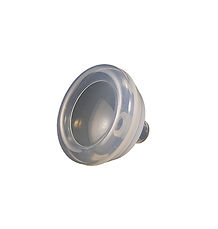
What is an anesthesia mask diaphragm?
The diaphragm is the flexible insert located in the center of many veterinary anesthesia masks. It conforms around the patient's muzzle to improve the seal and help reduce anesthetic gas leakage.
Why replace the diaphragm instead of the entire mask?
The mask body often remains functional long after the diaphragm shows signs of wear. Replacing only the diaphragm can restore performance, extend mask life, and reduce replacement costs.
How do I know when the diaphragm should be replaced?
Inspect the diaphragm regularly for:
-
Cracks
-
Tears
-
Stretching
-
Loss of elasticity
-
Discoloration
-
Poor sealing performance
Replacement is recommended whenever damage or excessive wear is observed.
How often should anesthesia mask diaphragms be replaced?
There is no fixed replacement schedule. Diaphragms should be inspected before use and replaced whenever signs of wear, damage, or reduced sealing performance are identified.
Can I purchase replacement diaphragms separately?
Yes. Replacement diaphragms are available separately for compatible mask models, allowing clinics to replace worn components without purchasing an entirely new mask.
How do I clean a veterinary anesthesia mask?
After each use, clean the mask according to your facility's protocols. Remove any visible debris and wash the mask components using warm water and a mild detergent. Rinse thoroughly and allow the mask to dry completely before reuse.